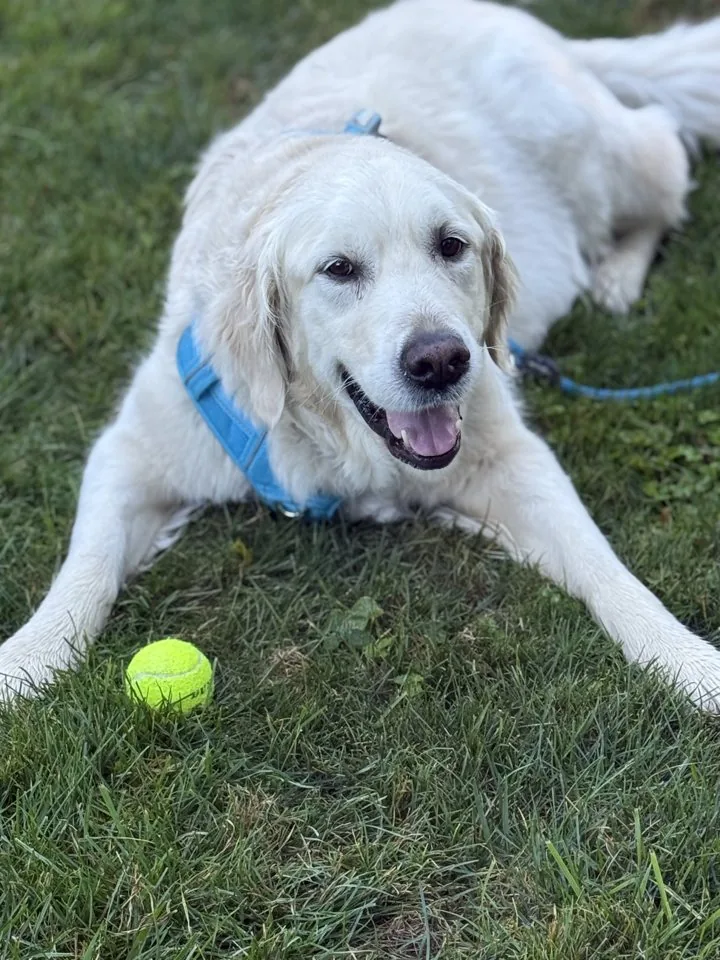
If your dog sees a tennis ball and forgets the rest of the world exists, you’re in good company. Tilly, our Chief Fetch Officer, has turned down every fancy “dog ball” we’ve ever bought her in favor of a plain, slightly fuzzy tennis ball. So it’s fair to ask: is a used tennis ball just as good? And are tennis balls even safe? Here’s the honest answer to both.
Why Dogs Love Tennis Balls
A tennis ball checks every box for a dog who loves to chase:
- The bounce. Tennis balls skip and change direction, so every throw is a little different.
- The grip. Felt is easy to grab on the run, even mid-air.
- The size. A standard ball fits most medium and large dogs’ mouths comfortably.
- The smell. Felt holds scent, which makes a ball easy to track down in tall grass.
Used vs. New: Does Your Dog Care?
In tennis, balls get retired early. Players and tournaments swap them out once they lose a little pressure and stop bouncing perfectly for match play, long before the felt wears through. To a tennis player, that ball is done. To a dog, it’s practically brand-new.
Used balls still bounce, still roll, and still smell like adventure. Your dog cares about the chase, not the logo. And because retired balls would otherwise head to the trash (about 125 million end up in US landfills each year), every used ball your dog chases is one that stays in play.
It’s easier on your wallet, too. Our 50 Pack works out to 50¢ a ball, so losing one in the bushes isn’t a crisis.
What’s actually in a Bark Balls pack?
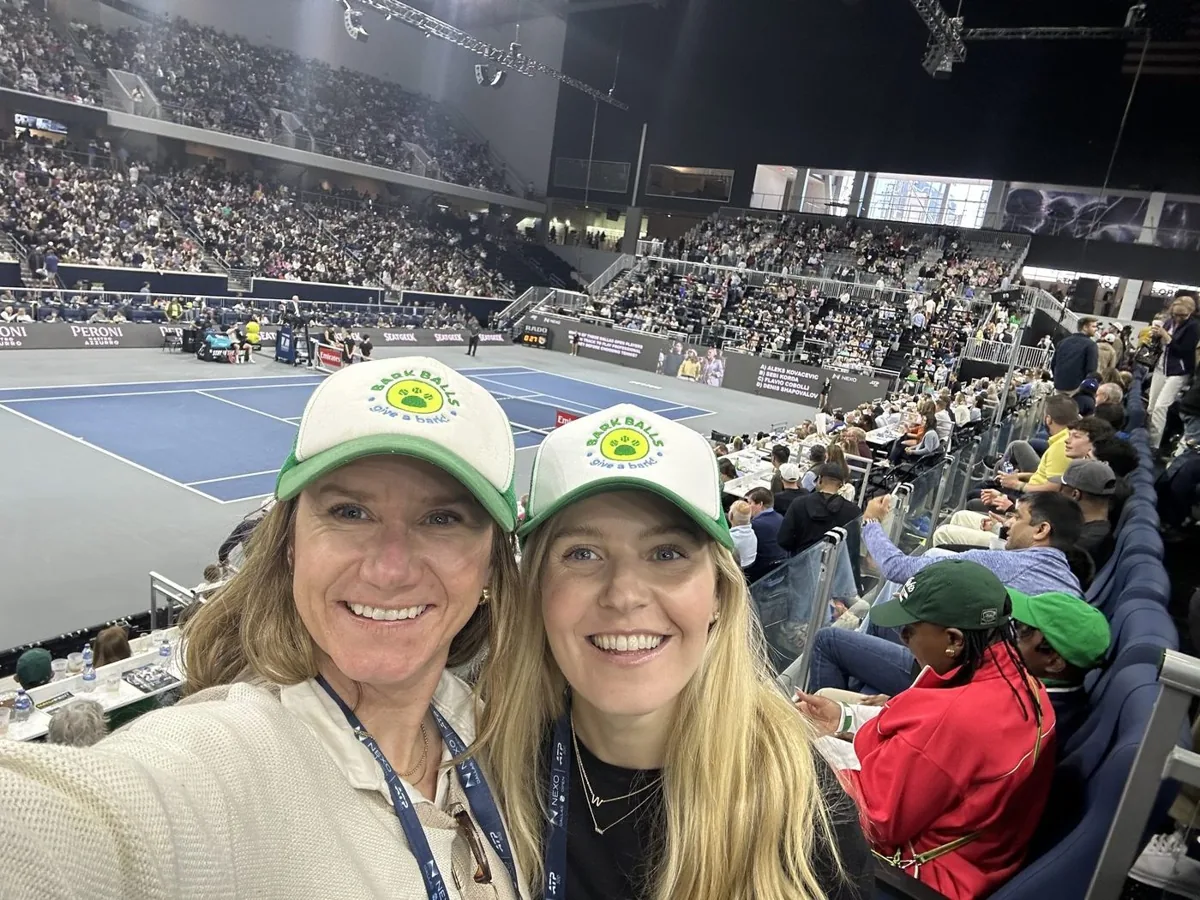
A mix of brands, colors, and wear, collected from tennis clubs, tournaments like the Dallas Open, schools, and players. Every ball is hand-inspected, and we pull any with splits, mold, or contamination. They aren’t washed, so they may carry a court scent (most dogs consider this a feature).
Are Tennis Balls Safe for Dogs?
For fetch, tennis balls are a classic for good reason. But veterinarians do flag a few real risks, and they’re worth knowing:
- Tooth wear. Tennis ball felt is abrasive, and dirt or sand makes it more so. Over time, heavy chewing can wear down enamel. The fix: use tennis balls for fetch, not as an all-day chew toy, and rinse off sandy or muddy balls.
- Choking. A ball that splits in half can lodge in the back of a dog’s throat, and shredded felt can cause blockages. Take a ball away once it’s split, coming apart, or small enough to swallow.
- Size. Standard tennis balls aren’t right for every dog. Big dogs can choke on them, and mini “dog-size” balls are especially risky for large breeds. If a ball can disappear entirely into your dog’s mouth, size up or switch toys.
- Ball-stuffers. If your dog tries to carry two or three balls at once, offer one at a time.
The simplest rule: supervise play, and put the balls away when fetch is over. If your dog is a dedicated shredder, save tennis balls for fetch and give them a durable rubber chew toy for downtime. You can read more on our Safety & Quality page, and from the American Kennel Club and the Animal Medical Center.
How Many Balls Does Your Dog Need?
More than one, almost always. Balls get lost, left at the park, and loved to pieces, and with a stash on hand you can swap out a worn ball the moment it splits instead of letting your dog keep chewing it.
- 30 Pack ($20) — casual fetchers and first-time Bark Balls families.
- 50 Pack ($25) — our best seller, for dogs who live for the toss.
- 100 Pack ($50) — multi-dog homes, dog-park regulars, and power fetchers.
- Ruff Pack ($20 for 50) — our most well-loved balls at a budget price. Dogs don’t mind a few flat spots.
5 Ways to Get More Out of Fetch
- Keep a bucket by the door. Grab one on every walk, and you’ll never lose the last ball again.
- Practice “drop it.” It keeps fetch moving, and it means you can take away a damaged ball fast.
- Mix up the throws. Short rollers, high lobs, and bounces off a wall keep it interesting and give your dog a mental workout too.
- Play hide-and-seek. Hide a ball in the yard or around the house and let your dog sniff it out.
- End on a high note. Stop while your dog still wants more, and put the balls away until next time.
Frequently Asked Questions
Are used tennis balls safe for dogs?
For fetch, yes, with supervision. Retired tennis balls are the same balls dogs have always played with; they've just lost a little pressure. Take a ball away once it's split, coming apart, or small enough for your dog to swallow, and give heavy chewers a rubber chew toy instead.
Do tennis balls wear down dogs' teeth?
They can. Veterinarians note that tennis ball felt is abrasive, and dirt or sand makes it more so. Dogs who chew balls for hours are most at risk, so use tennis balls for fetch, not as a chew toy, and rinse off sandy or muddy balls.
Are used tennis balls clean?
Bark Balls are hand-inspected, and we remove any with splits, mold, or contamination. They aren't washed, so they may carry a court scent, which most dogs love. You can wipe them down before the first throw.
How many tennis balls does a dog need?
A 30 Pack suits casual fetchers, the 50 Pack covers most dogs who live for the toss, and the 100 Pack is built for multi-dog homes and dog-park regulars. Keeping a stash means you can swap out worn balls right away.
Why do dogs love tennis balls so much?
They bounce unpredictably, the felt is easy to grip, they're the right size for most mouths, and they hold scent. To a dog, a tennis ball is the perfect thing to chase.
Real tennis balls. Less Waste. More Wag. Your dog was always going to love tennis balls; now every throw keeps one in play.