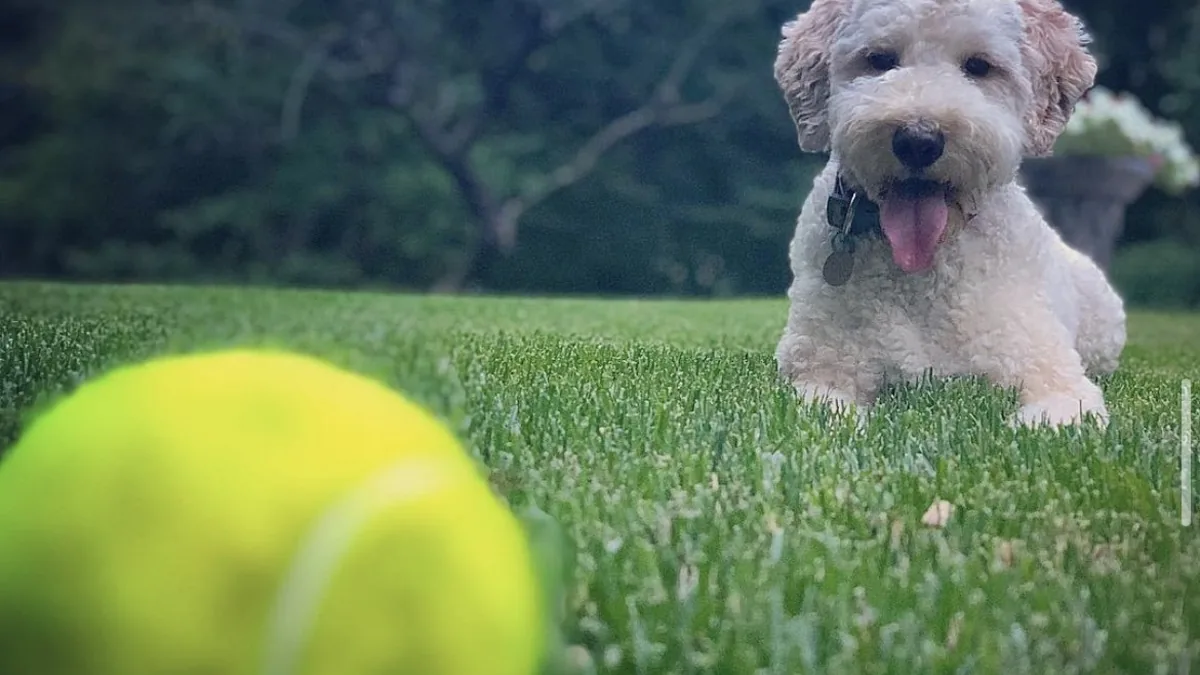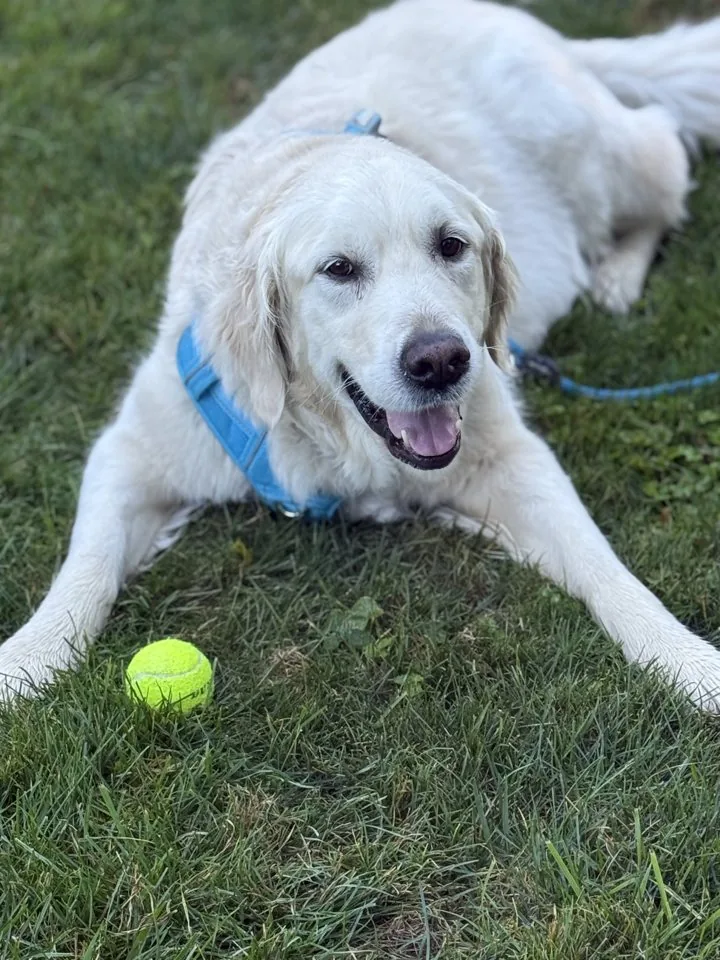
There is nothing like watching a dog light up at the sight of a tennis ball. Fetch is simple, joyful, and one of the best ways to burn off a dog’s energy. It is also worth playing thoughtfully — a few small habits keep the game safe, and help you get the most life out of every ball before it is time for a new one.
Here is a friendly, practical guide to responsible fetch, whether the ball came fresh from the shop or is enjoying a well-earned second life.
Fetch Is a Together Activity
The single most important habit is simple: play fetch together, not apart. A tennis ball is a fantastic toy for supervised play, but it is not a leave-it-in-the-crate chew toy. Dogs are enthusiastic, and a ball left alone with a determined chewer can get torn into pieces — and those pieces are what you want to avoid.
So the rule of thumb: ball out for the game, ball put away when the game is over. Keeping fetch a shared activity is not only safer, it is also the part your dog loves most anyway. The ball is really just an excuse to hang out with you.
Simple Habits for Safer Play
None of this is complicated. A handful of easy habits cover almost everything:
- Match the ball to the dog. Pick a ball size appropriate for your dog. A ball that is too small for a big dog is the main thing to steer clear of, since it can become a choking risk. When in doubt, size up.
- Supervise the game. Stay part of the play from throw to retrieve. It keeps things fun and lets you notice right away if a ball starts to come apart.
- Put it away after. When fetch is done, the ball goes in the bin or up on the shelf — not left out for unsupervised solo chewing.
- Keep fresh water handy. Fetch is a workout. Take breaks, especially in warm weather, and let your dog rest and rehydrate.
- Give it a rinse now and then. Balls pick up dirt from the yard. An occasional rinse keeps things tidy between games.
A quick note on chewers
Every dog is different. Gentle retrievers can enjoy the same ball for a long time, while power chewers go through them faster. Know your dog — if yours treats a tennis ball as a chew-to-destroy project rather than a fetch toy, keep an especially close eye and swap out early. For heavy chewers, our Ruff Pack of well-loved balls is a budget-friendly way to keep fresh ones in rotation.
Knowing When to Swap a Ball Out
Even the best-loved ball reaches the end of its fetch career eventually. Retiring a ball at the right time is the easiest way to keep play safe. Swap a ball out when you notice any of these:
- It has cracked or split open. Once the outer surface breaks, it is time. A split ball can come apart into pieces.
- It has been chewed through the felt or rubber. Punctures and bite-throughs mean the ball is on its way to falling apart.
- Pieces are coming loose. If bits of felt or rubber are separating, retire it — loose pieces are a choking and swallowing risk.
- It has been compressed small enough to worry you. A big dog can flatten a ball; if it is small enough to lodge in the throat, it is done.
- It is soggy, grimy, or just past it. Not a safety emergency, but a good time for a fresh one.
When in doubt, take it out. Balls are inexpensive, and a fresh one is always safer than a questionable one. The good news is that a retired fetch ball still has more to give — more on that below.
Why a Second-Life Ball Is a Great Fetch Ball
Here is something a lot of people do not realize: the tennis balls that clubs and tournaments retire are usually set aside for losing a little bounce, not for being worn out. For a match, that matters. For a game of fetch in the backyard, it does not matter at all — your dog is not judging the bounce.
That is the whole idea behind Bark Balls. We collect used tennis balls that still have plenty of play left in them and give them a second life as dog toys, instead of letting them head to a landfill. Same great fetch, a lot less waste. When a second-life ball finally does reach the end of its run, you have kept a perfectly good ball in play for far longer than it would have lasted otherwise — and that is a win for your dog and the planet both.
When a ball’s fetch days are over
A retired fetch ball does not have to hit the trash, either. Cut and slipped onto a chair leg, it quiets a room and protects floors — see our guide on tennis balls for classroom chairs. For more ideas, we rounded up nine things to do with old tennis balls.
Frequently Asked Questions
Are tennis balls safe for dogs?
For supervised fetch, tennis balls are a popular, well-loved toy. The keys are choosing a size appropriate for your dog, playing together rather than leaving the ball out for unsupervised chewing, and retiring any ball that cracks or comes apart. Every dog is different, so know your own dog’s chewing habits.
How often should I replace my dog’s tennis ball?
There is no set schedule — it depends on the dog. Replace a ball as soon as it cracks, splits, gets chewed through, starts shedding pieces, or is compressed small enough to worry you. Gentle players can use one for a long time; power chewers go through them faster.
Can dogs chew on tennis balls?
Light chewing during play is normal, but tennis balls are meant for supervised fetch, not as unsupervised chew toys. If your dog is a determined chewer, watch closely and swap the ball out early. Put the ball away when the game is over.
Are used or recycled tennis balls okay for dogs?
Yes — balls retired from play have usually just lost a little bounce and are still great for fetch. Give them a rinse, match the size to your dog, supervise play, and retire them when they wear out, the same as any ball.
What size tennis ball is right for my dog?
Choose a ball large enough that it cannot fit fully into your dog’s mouth or lodge in the throat. Standard tennis balls suit many dogs, but for large breeds, size up to a bigger ball to be safe.
Responsible fetch really comes down to a few easy habits: play together, match the ball to your dog, keep an eye on wear, and swap a ball out when it is past its prime. Do that, and every ball — especially a second-life one — gives your dog the maximum number of happy, tail-wagging throws before it retires for good.